Shiv Shankar Techno Industries Pvt. Ltd. designs, fabricates, and installs single girder, double girder, and underslung EOT cranes from 1 tonne to 100+ tonnes for industrial facilities across India. This page covers what an EOT crane is, the standards it should meet, how to choose between manufacturers, and what to check before you finalise an order.
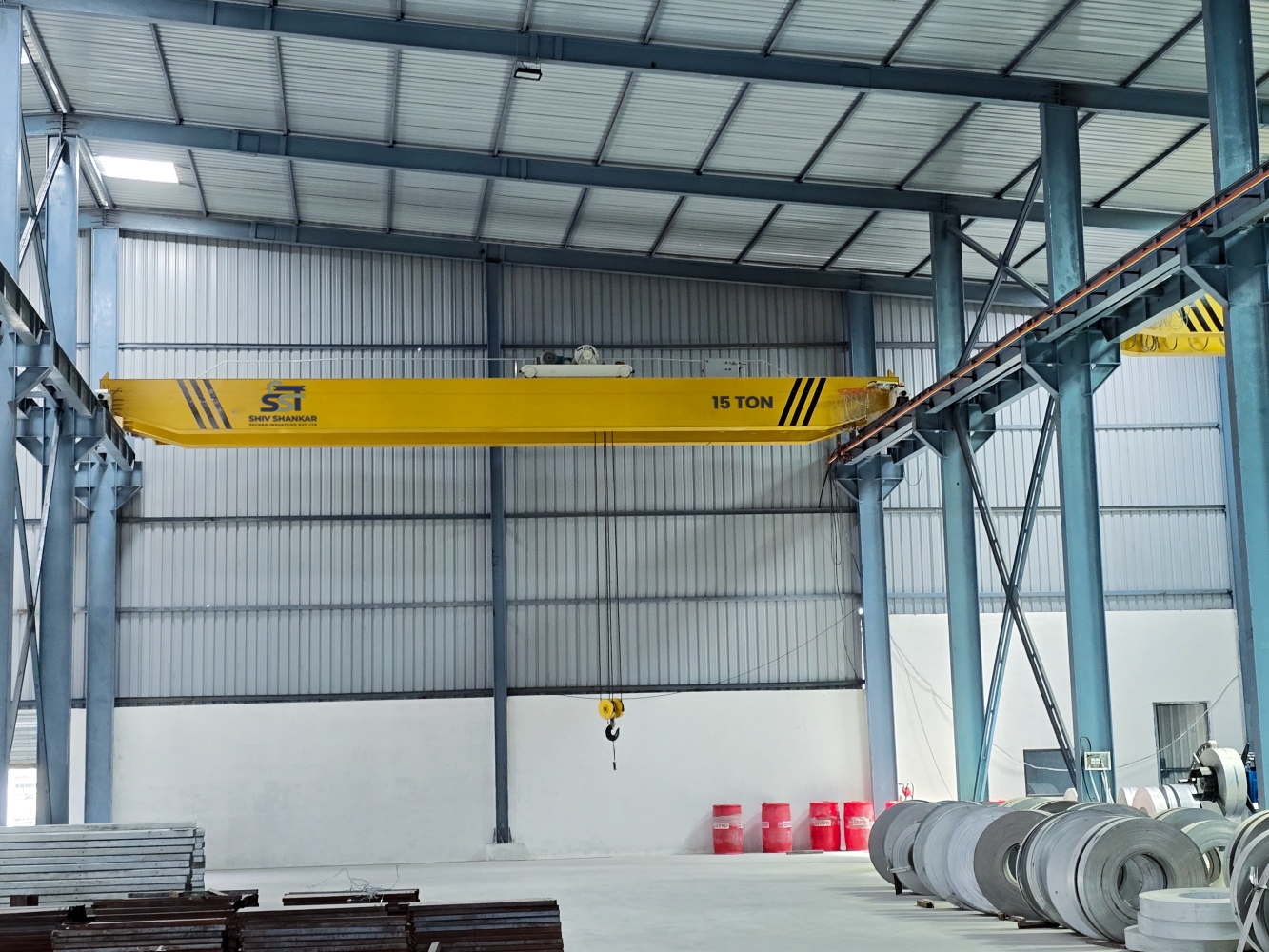
An Electric Overhead Travelling (EOT) crane is a motorised lifting system that runs on elevated runway rails fixed to a building's columns or roof structure. A bridge girder spans the bay, a trolley-mounted hoist travels along that bridge, and end carriages carry the whole assembly along the runway. Hoisting, cross travel, and long travel are all electrically driven, which is what lets an operator place a load anywhere within the bay with a single system.
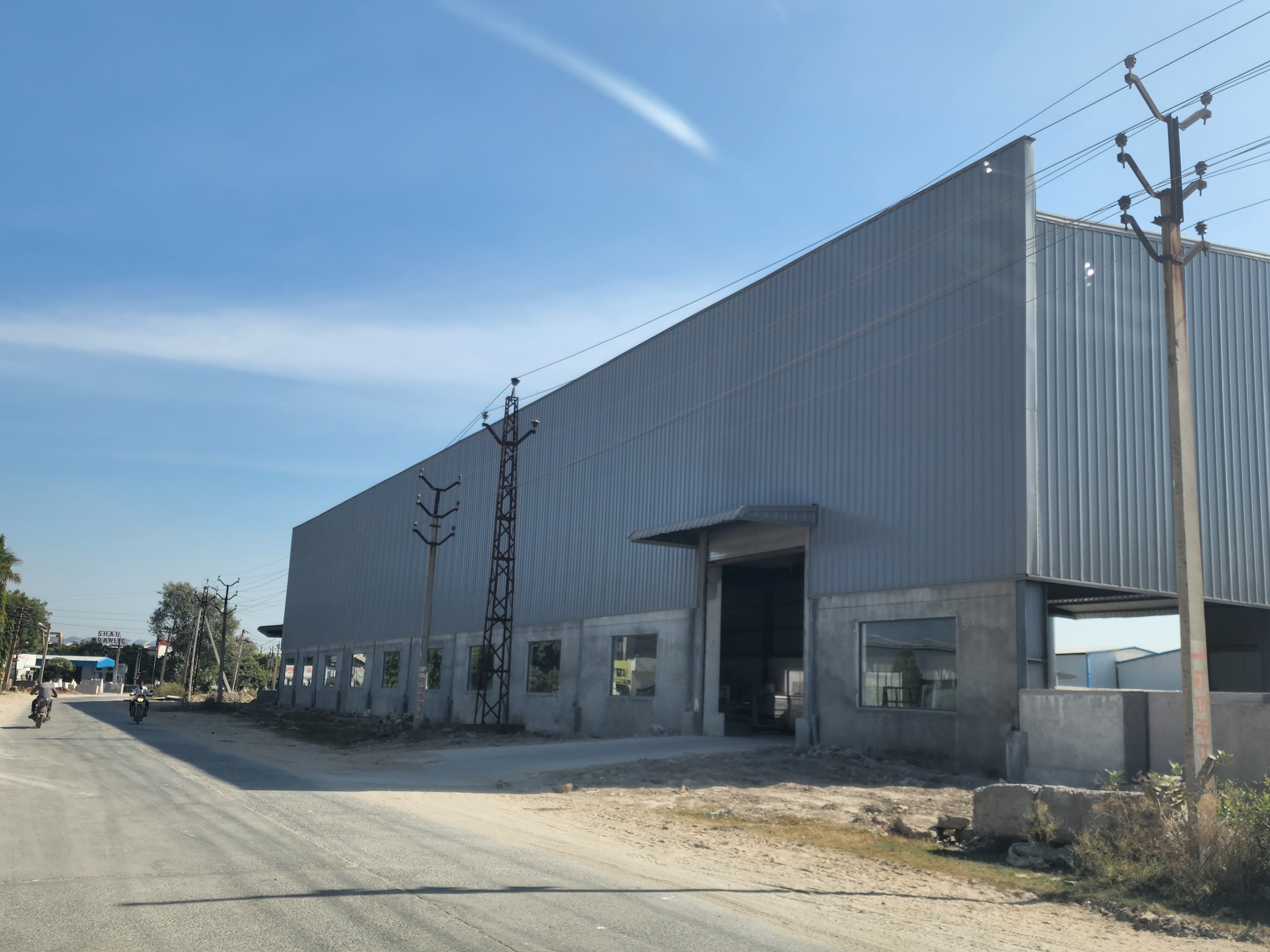
A genuine EOT crane manufacturer in India does more than assemble bought-out parts — it takes structural design responsibility for the girder, end carriages, and runway beam loading that gets transferred into the client's building. Shiv Shankar Techno Industries Pvt. Ltd. carries out this design and fabrication in-house from its Chittorgarh, Rajasthan facility, building EOT cranes from 1 tonne up to 100+ tonnes for factories, steel plants, and warehouses across India.
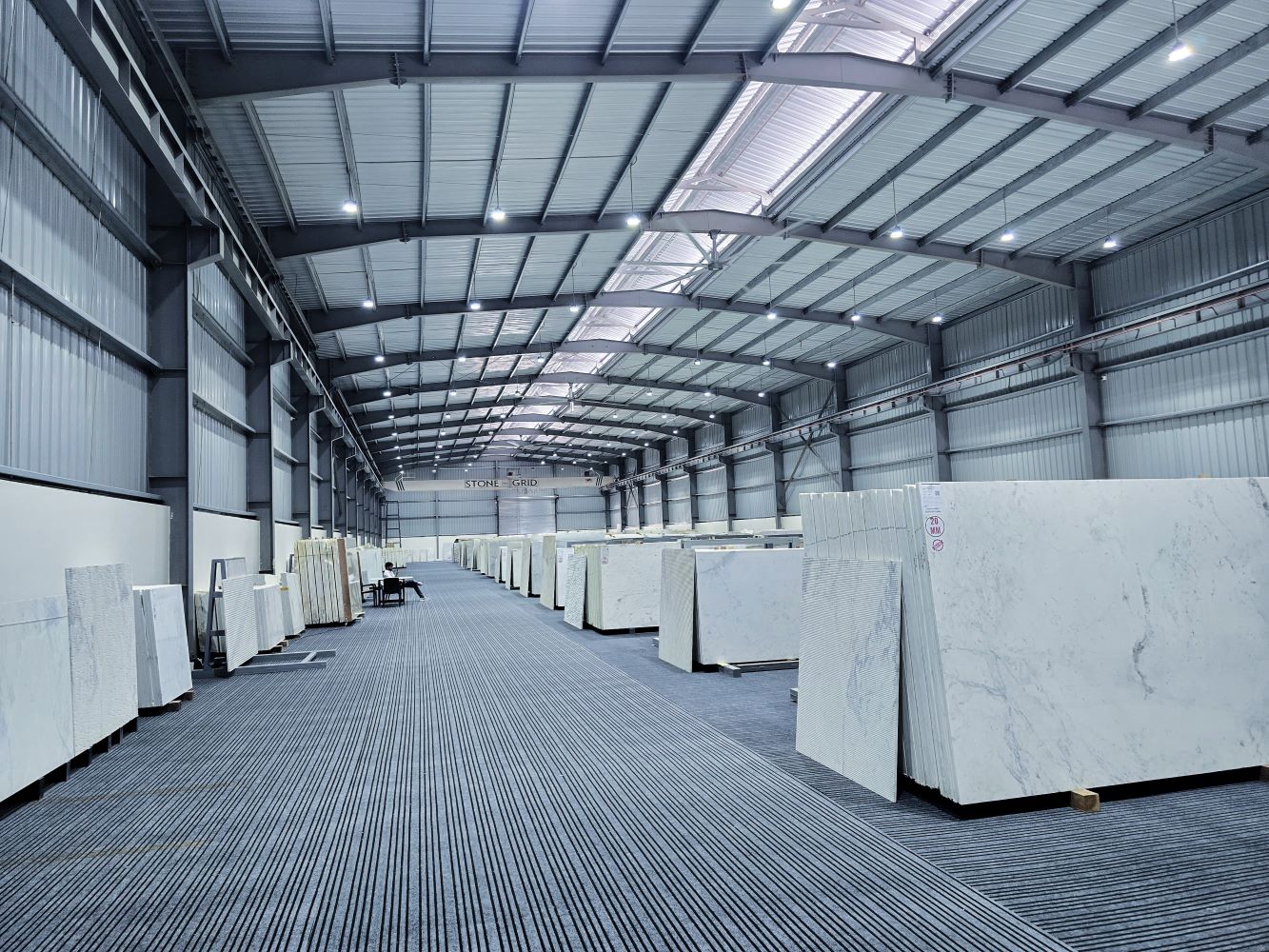
Because we also manufacture pre-engineered buildings in-house, we are able to co-design the crane and the building structure in one engineering model — runway beam reactions and column bracket loads are resolved on paper, not discovered as a problem once the crane arrives on site.
Not every supplier listed as an EOT crane manufacturer actually fabricates in-house. Here is what genuinely separates a capable manufacturer from a trading intermediary.
At Shiv Shankar Techno, structural load calculations, girder sizing, and shop drawings through to steel fabrication, surface treatment, and pre-dispatch load testing all happen in-house. No critical step is passed to a third party, which is what keeps tolerances tight and delivery dates dependable.
Because we manufacture both EOT cranes and pre-engineered buildings ourselves, the crane and the structure it sits in are designed together. Runway beam reactions, column bracket loads, and rail systems are resolved in one model, avoiding the retrofitting problems that show up when the crane and the building come from different suppliers.
With 500+ projects delivered across 25+ states, our own installation teams handle runway erection, rail fixing, electrical work, load testing, and operator training at site — in Rajasthan, Gujarat, Maharashtra, Madhya Pradesh, Uttar Pradesh, Karnataka, Tamil Nadu, and beyond.
We manufacture single girder EOT cranes for light to medium duty (1 to 20 tonnes) and double girder EOT cranes for medium to heavy duty up to 100+ tonnes, plus underslung cranes for buildings with limited headroom. Every configuration is sized to your bay span, hook height, and duty class rather than pulled from a fixed catalogue.
Every crane is designed to IS 3177, IS 807, and FEM 9.755, with structural steel sourced against mill test certificates and a full rated load test carried out before dispatch. Documentation is prepared to support factory inspector approval, insurance requirements, and third-party audits.
Annual Maintenance Contracts, OEM spare parts, and preventive maintenance schedules keep the crane running reliably across a service life that commonly runs past 20 years. Service teams cover routine inspection, brake overhaul, limit switch replacement, and breakdown response across India.
"EOT crane" covers more than one configuration. As an EOT crane manufacturer in India, we build the three forms that cover almost every industrial requirement.
The configuration most commonly requested for general manufacturing, fabrication shops, and warehouses. The crane runs on top of the runway rails while the hoist travels along the bottom flange of a single bridge girder — compact and cost-effective for standard factory loads.
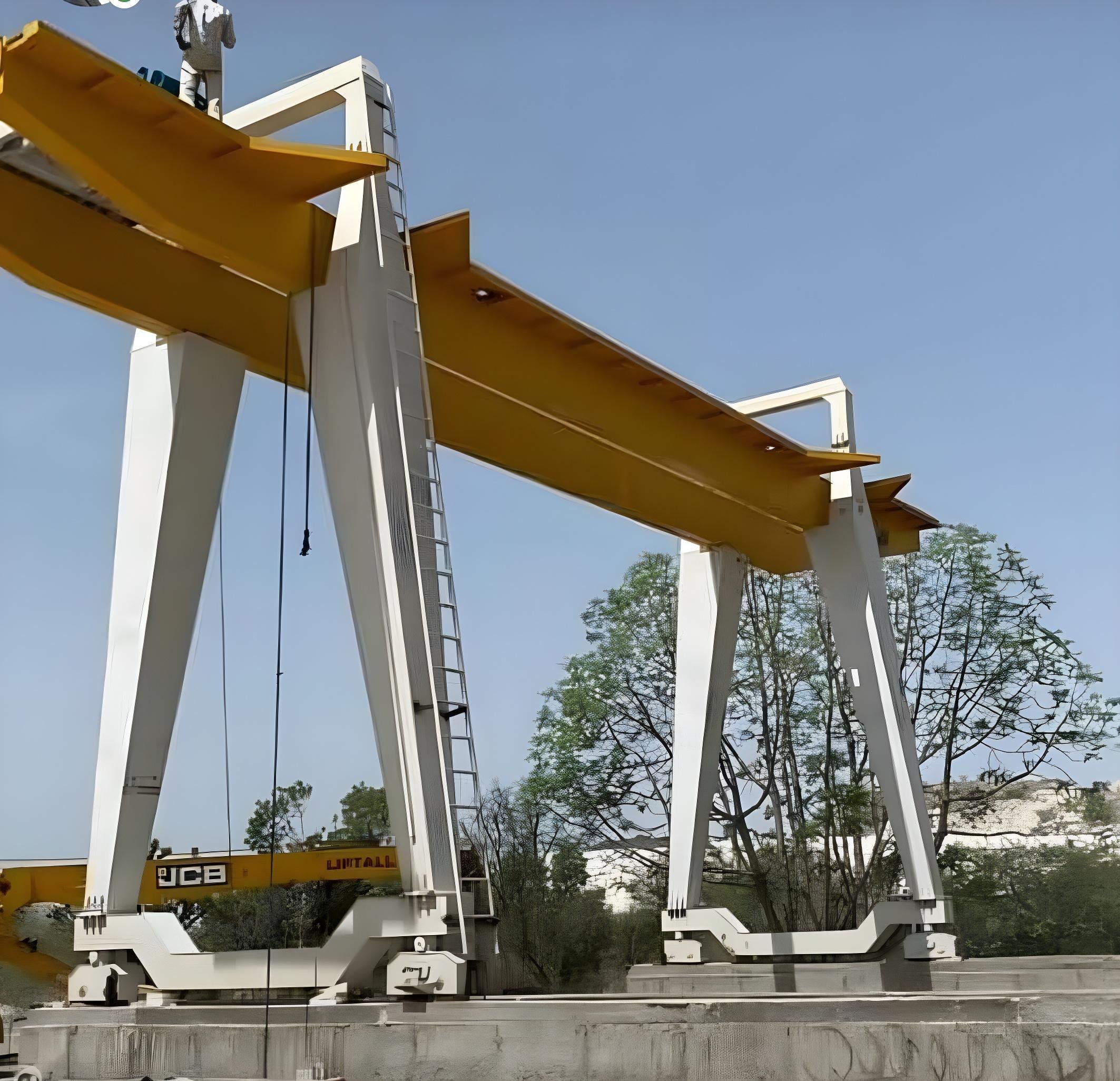
Two parallel welded box girders carry a top-running hoist trolley, giving greater hook height and the highest lifting capacity in the range. This is the configuration most steel mills, heavy forging shops, and large-span logistics operations settle on when a single girder crane will not do.
The bridge and hoist hang from the bottom flange of roof-mounted runway beams rather than running on top of columns, which suits buildings where a column-side runway cannot be installed or where headroom is tight. No dedicated crane columns are needed, so the floor stays clear.
As an EOT crane manufacturer in India, we design and supply every component of the system as one integrated package rather than sourcing pieces separately. Each component below is sized to the specific load, span, duty class, and operating environment of the project.
Every crane we manufacture is engineered to the buyer's exact bay dimensions, load requirement, and duty class rather than picked from a fixed size chart. Standard single girder and double girder configurations cover most industrial requirements; anything outside these parameters is reviewed by our engineering team on a case-by-case basis.
All electric overhead travelling cranes Shiv Shankar Techno Industries Pvt. Ltd. manufactures are built to IS 3177, IS 807, and FEM 9.755, using structural steel sourced with mill test certificates. Every unit undergoes a full rated load test and safety check at our Chittorgarh, Rajasthan facility before dispatch.
As an EOT crane manufacturer in India, we design and supply cranes for a wide range of industrial and infrastructure sectors, wherever reliable overhead material handling matters — from light assembly work to continuous-duty steel plant operations.
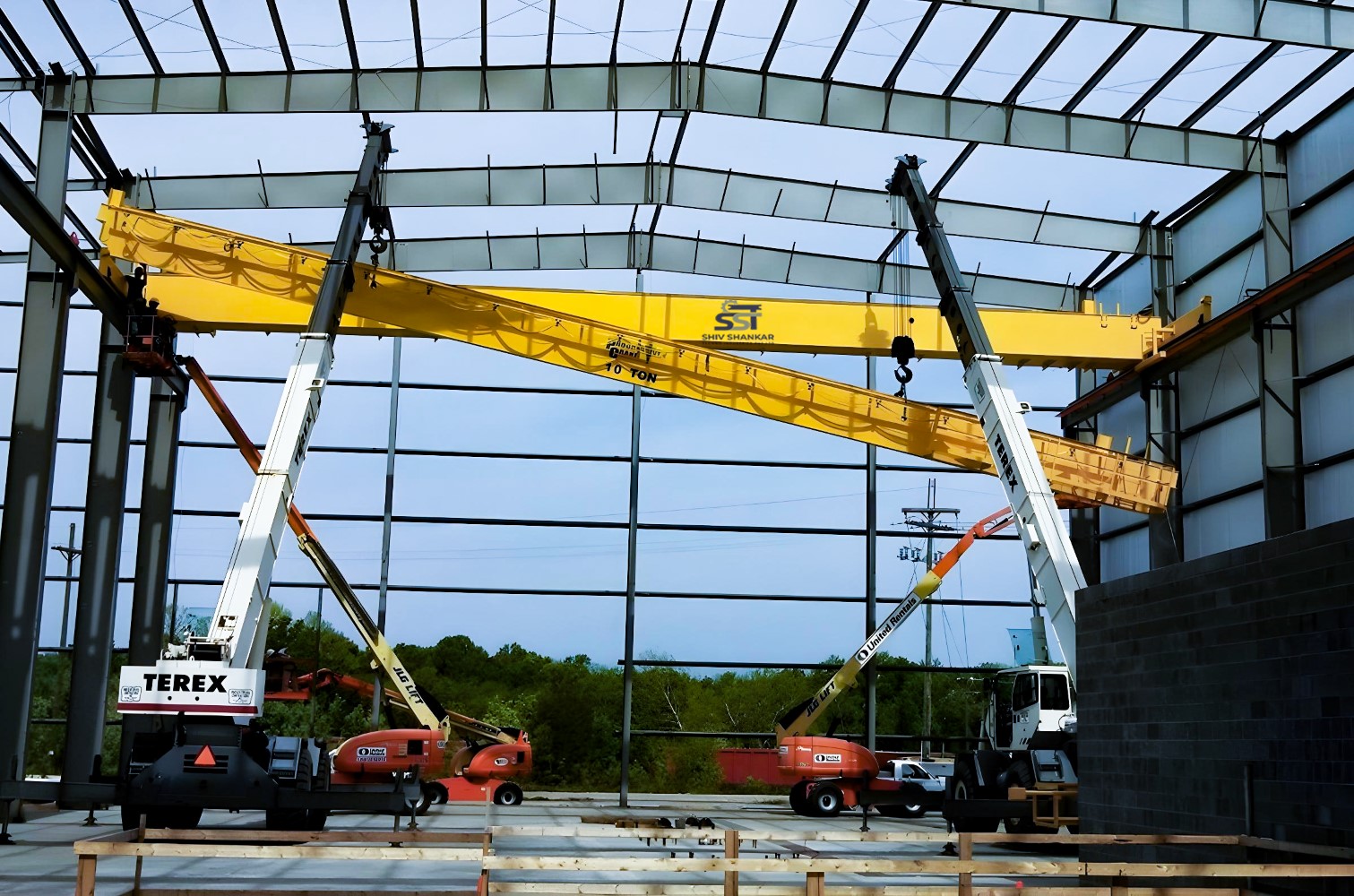
Choosing correctly is not just about lifting capacity or picking the lowest quote. These four parameters decide whether the crane performs reliably across its full service life.
Define the maximum load and how many times the crane cycles per shift. A crane sized only for peak capacity but assigned the wrong duty class will fail early. Duty classes M3 to M8 span everything from intermittent maintenance lifts to continuous-duty steel plant work — getting this right at the quotation stage costs nothing; getting it wrong is expensive later.
Bay span is the distance between runway rail centre lines; hook height is the clearance needed below the hook at maximum lift. Both figures directly decide the girder type, end carriage design, and the loads passed into the building structure, and need to be confirmed before crane engineering starts.
Standard cranes are rated for roughly minus 20 to plus 40 degrees Celsius. Foundry and steel plant duty needs heat shields and high-temperature components; hazardous zones need flame-proof motors and certified electrical assemblies. The environment shapes material and component choice as much as the load does.
Pendant controls are reliable and cost-effective for most applications. Radio remote controls add operator safety and mobility in large bays or hot environments. Variable frequency drives give smoother acceleration and finer positioning, which matters in die shops, assembly lines, and precision machining areas.
In a heavy industrial setting, the choice between an EOT crane, a forklift, and manual handling has direct consequences for safety, throughput, and long-term operating cost. The comparison is rarely close.
As a turnkey EOT crane manufacturer in India, we manage every stage of the project under a single contract with one point of accountability throughout.
Site visit or drawing review to confirm bay span, hook height, building column capacity, load requirement, duty class, and lift frequency per shift.
In-house structural engineering to IS 3177, IS 807, and FEM 9.755. Girder sizing, end carriage design, runway beam calculations, and electrical layout prepared and reviewed internally.
Factory fabrication with multi-stage quality checks. Full rated load test, electrical panel testing, and limit switch verification completed at our works before dispatch.
Sequenced dispatch of all crane components to site, marked and packed with a complete erection reference kit for a smoother site assembly.
On-site erection, runway alignment, rail fixing, electrical connections, final load test, and operator training, with handover backed by a load test certificate and full O&M documentation.
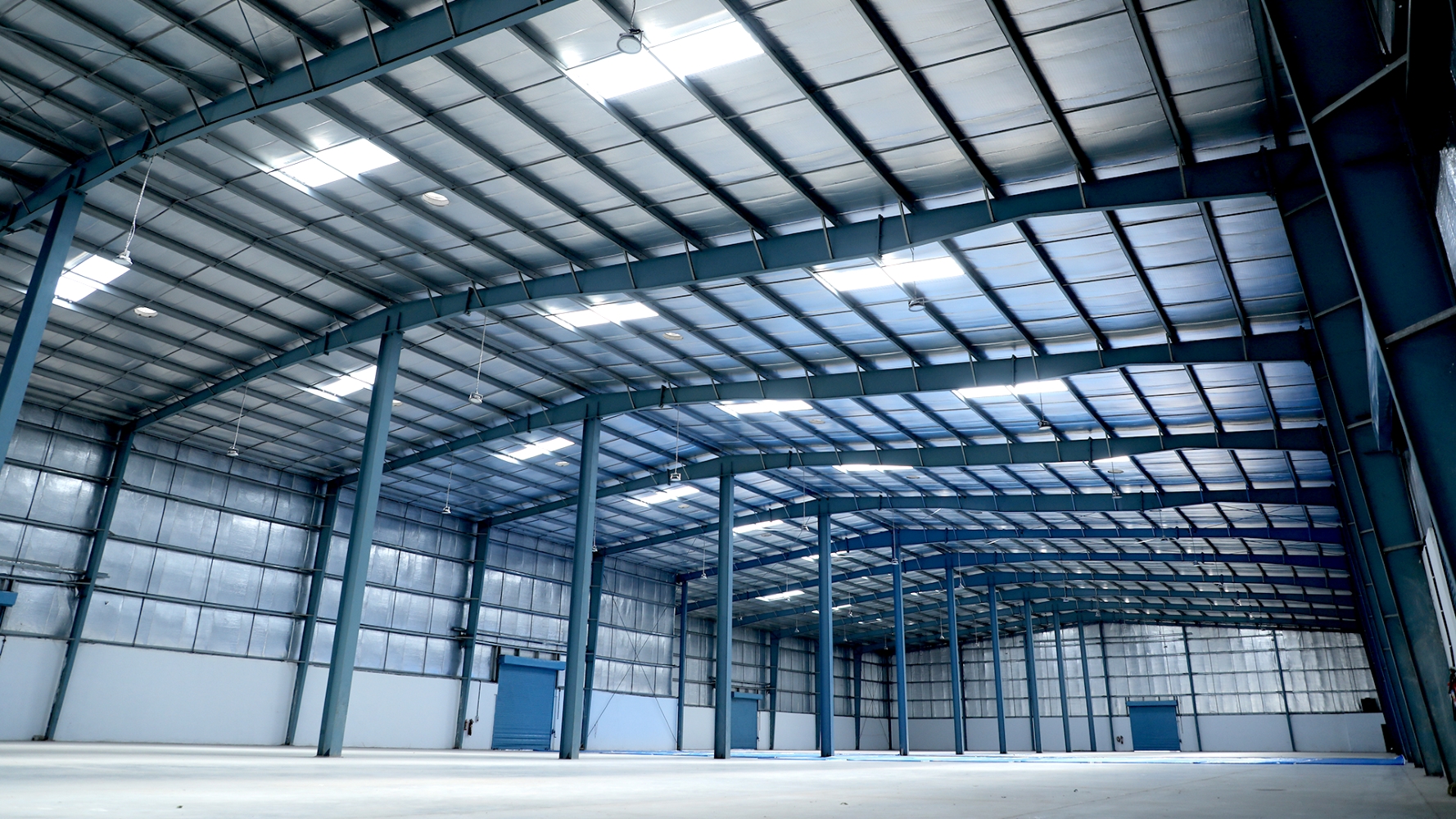
Share your bay span, required lifting capacity, hook height, and duty class. Our engineering team will return a detailed technical proposal with a layout drawing within 3 business days.
REQUEST A QUOTEAn EOT crane is a capital investment with a service life measured in decades, and how it performs over that period depends on the quality of preventive maintenance, spare parts availability, and how quickly the service team responds. This is where the gap between manufacturers, not just the initial build quality, tends to show up.
Our AMC programmes cover periodic safety inspection, brake adjustment and replacement, hoist rope condition checks, limit switch testing, electrical panel servicing, lubrication schedules, and runway rail inspection. Shiv Shankar Techno supplies original OEM spare parts for every EOT crane model we manufacture, so nothing has to be improvised when a component needs replacing.
For clients in Rajasthan and neighbouring states, our service engineers are typically on-site within 24 to 48 hours. For the rest of India, service visits are coordinated through our pan-India project network. Get in touch to discuss an AMC programme built around your production schedule and uptime needs.
Scheduled inspection of mechanical and electrical components as per IS standards and manufacturer requirements, aimed at catching issues before they cause a failure.
Original spare parts for hoists, brakes, limit switches, rope drums, control panels, and running wheels across all crane models we manufacture.
Emergency service response aimed at minimising unplanned downtime in your production schedule, across Rajasthan and pan-India locations.
Periodic load testing and safety inspection certification as required by factory inspectorates and statutory safety regulations across Indian states.
Discover our full range of industrial solutions engineered for performance and built for India.
An EOT crane manufacturer designs the bridge girder, end carriages, hoist and trolley assembly, drive system, control panel, and safety devices as one engineered system, sized to the buyer's bay span, hook height, load, and duty cycle. The manufacturer also prepares runway beam loading data so the client's structure can safely carry the crane's wheel loads — this structural design responsibility is what separates a genuine manufacturer from a trading intermediary.
Compare manufacturers on whether design and fabrication are in-house or outsourced, whether structural drawings are certified to IS 3177, IS 807, and FEM 9.755, their demonstrated experience at your required capacity and span, their erection presence in your state, and whether the quotation is based on your actual bay dimensions and duty class rather than a generic listed price.
Single girder EOT cranes use one bridge beam with the hoist running on its bottom flange, suited to light and medium duty work up to roughly 20 tonnes and spans up to 30 metres. Double girder EOT cranes use two parallel beams with a top-running hoist trolley, allowing greater hook height, higher capacity up to 100+ tonnes, and longer spans up to 40 metres.
Duty class, M1 to M8 under IS 3177 and FEM 9.755, is based on how often the crane cycles and how severely it is loaded each time, not just the maximum weight it lifts. M1 to M3 suit occasional or maintenance-only lifts, M4 to M5 suit standard factory operation, and M6 to M8 apply to continuous-duty environments such as steel melting shops and multi-shift foundries.
IS 3177 covers the code of practice for electric overhead travelling cranes, IS 807 covers design, fabrication, and erection of cranes and hoists, IS 4137 addresses heavy-duty steel mill cranes, and FEM 9.755 is the widely referenced mechanism-classification standard used alongside Indian codes. Structural steel should carry mill test certificates, and the completed crane should undergo a full rated load test before dispatch.
In most cases, yes. The manufacturer's engineers first assess the existing column capacity, available headroom, bay dimensions, and roof truss geometry. If the structure can carry the additional crane loads, the crane and runway beams are designed to suit; where the existing columns cannot take the load, an independent support structure can be added, or an underslung crane may be more practical.
Standard single girder EOT cranes are typically ready for dispatch in 4 to 8 weeks from confirmed order. Heavier double girder cranes or units with special requirements can take 8 to 14 weeks, and on-site installation, alignment, and commissioning generally add another 1 to 2 weeks depending on crane size and site readiness.
Yes. Flame-proof EOT cranes can be built for hazardous area classifications (IIA, IIB, IIC gas groups) for chemical plants, paint shops, and explosive-atmosphere environments. For foundries and steel plants, cranes can be specified with heat shields, high-temperature rated wire ropes, and insulated festoon systems suited to the thermal load of the environment.
Established manufacturers typically offer Annual Maintenance Contracts covering periodic safety inspection, brake servicing, hoist rope checks, limit switch testing, electrical panel maintenance, and emergency breakdown response, along with original spare parts for the models they manufacture — important given an EOT crane's service life commonly runs 20 or more years.
A manufacturer typically needs the bay span (distance between runway rail centre lines), required hook height, bay length, lifting capacity in tonnes, approximate duty class or lifts per shift, the operating environment (standard, foundry, or hazardous), and whether the crane is for a new or existing structure — these details let the manufacturer size the girder, end carriages, and runway beams correctly instead of quoting a generic figure.
 Chat with us