A prefabricated structure is a building whose steel frame, cladding, and accessories are manufactured off-site in a factory and assembled at the project location. This page explains how these structures are made, where they are used, and what to look for in a prefabricated structures manufacturer before you finalise one.
A prefabricated structure is a steel building in which the primary frame columns and rafters along with purlins, girts, and cladding panels, is manufactured in a factory under controlled conditions rather than built up piece by piece on-site. Structural engineers first design the frame for the required span, height, and load conditions. That design is then converted into cutting and welding instructions for the fabrication shop, where steel plates are cut, welded into built-up sections, cleaned, and coated for corrosion protection.
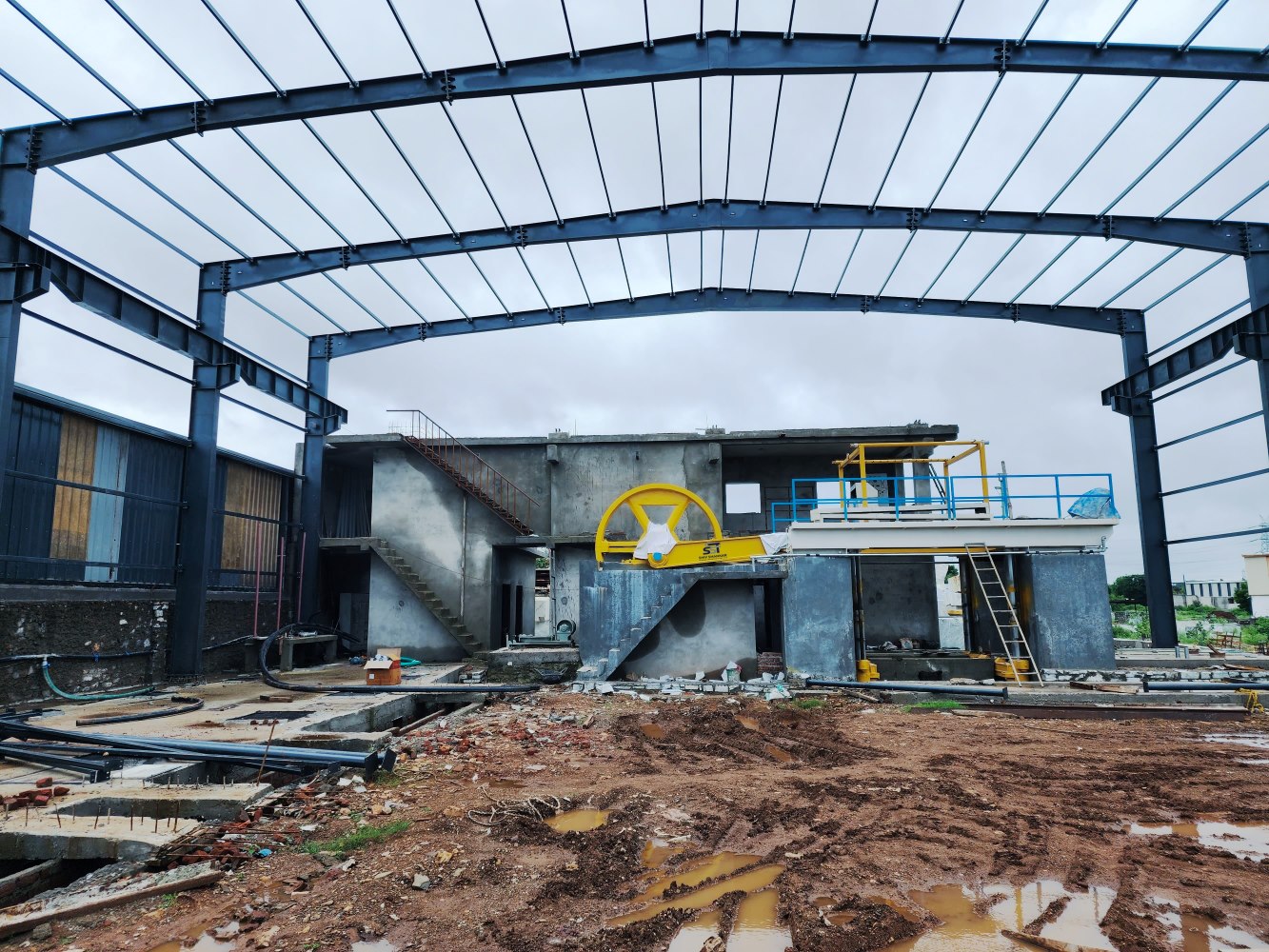
Once fabricated, components are transported to the project site in a planned sequence and bolted together on a prepared foundation. Primary frames go up first, followed by secondary framing (purlins and girts), and finally the roof and wall cladding. Because the connections are bolted rather than welded or cast on-site, erection is quick and largely independent of local weather conditions.
This is where the contrast with conventional construction is most visible. Conventional RCC construction involves on-site formwork, wet concrete pouring, and curing time that can run into months before the structure can even bear load. A prefabricated structures manufacturer, by comparison, has usually completed the bulk of the structural work in the factory before the first component reaches site, which is why most prefabricated industrial buildings in India are handed over in a fraction of the time an equivalent RCC structure would take.
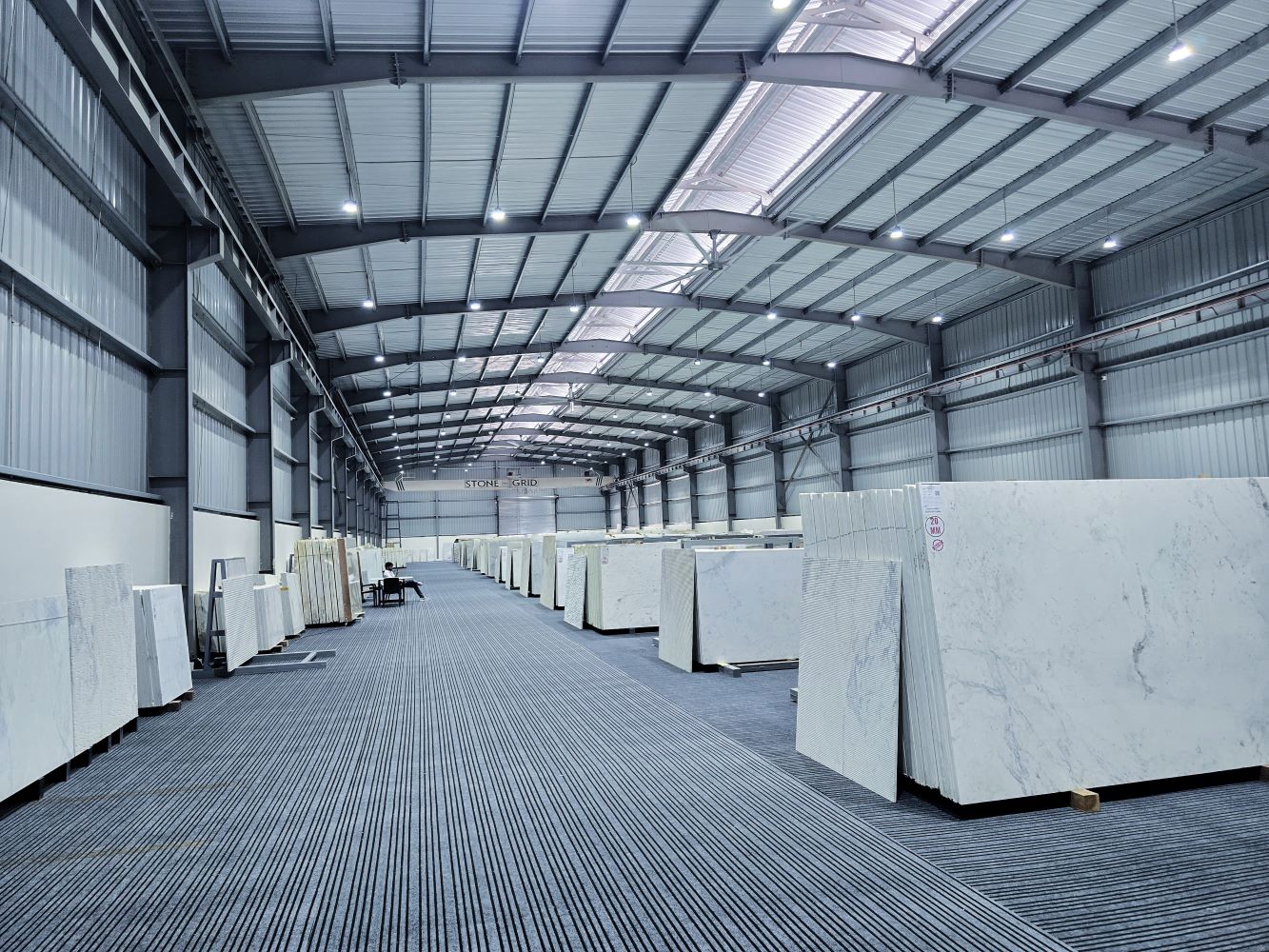
Prefabricated structures are not a single product; the term covers several distinct building forms, each suited to a different structural or operational requirement.
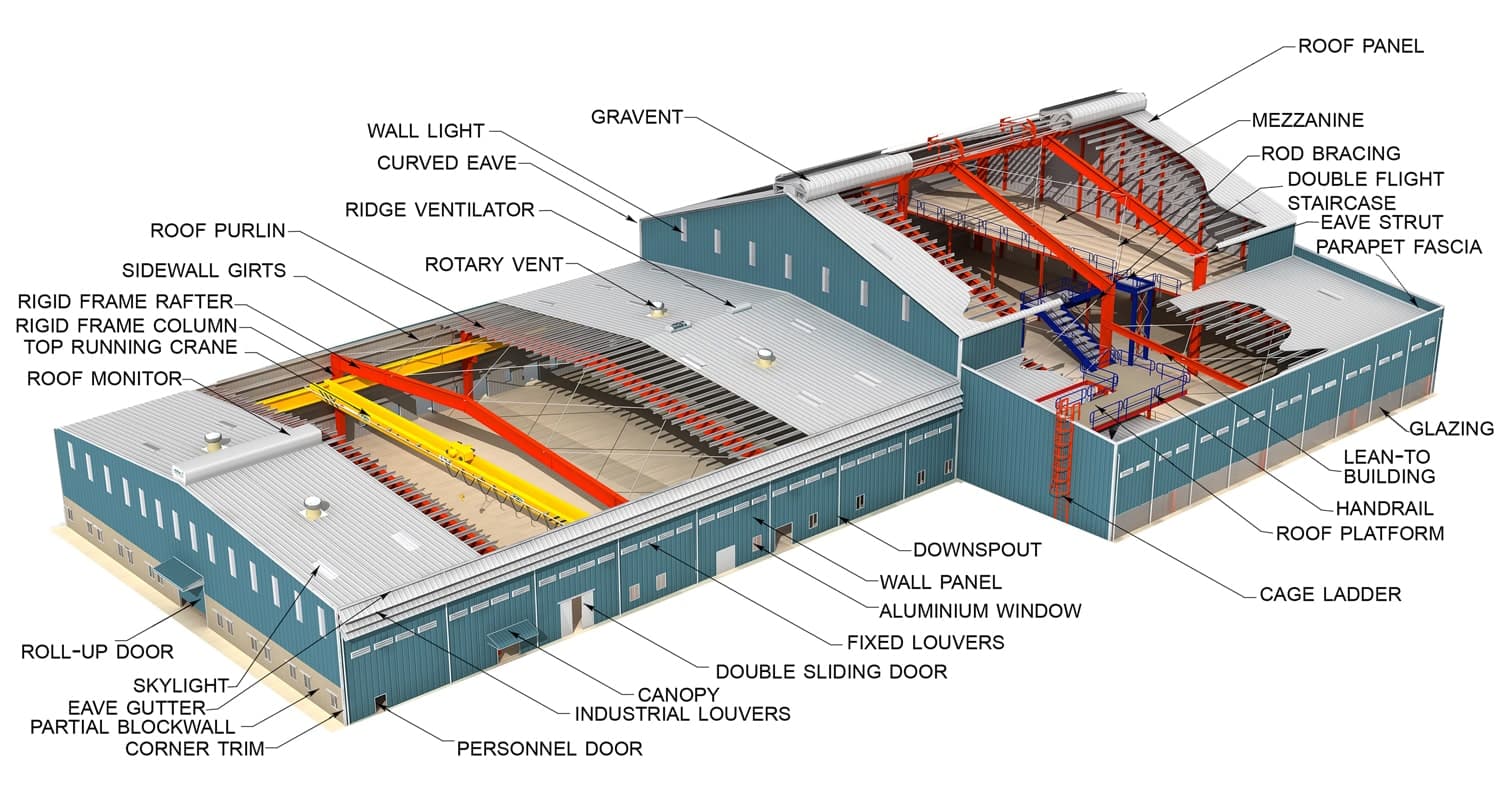
A finished prefabricated building is an assembly of several engineered components, each manufactured and inspected before it reaches site.
Tapered built-up I-section columns and rafters, sized by structural analysis to suit clear spans from 9 metres to over 100 metres.
Cold-formed Z and C purlins on the roof and girts on the walls, which carry cladding loads and tie the primary frames into a stable system.
Single-skin Galvalume sheets, PUF or Rockwool sandwich panels, or translucent skylight sheets, selected according to thermal, acoustic, and fire requirements.
Ridge ventilators, turbine vents, and roof monitors that support natural air circulation, particularly relevant in hot climates.
Rod, angle, or pipe bracing across roof and wall planes for lateral stability against wind and seismic forces, designed to IS 1893 for the applicable zone.
Steel-deck mezzanine systems are joists, beams, and composite decking is built into the main structure for additional usable floor area.
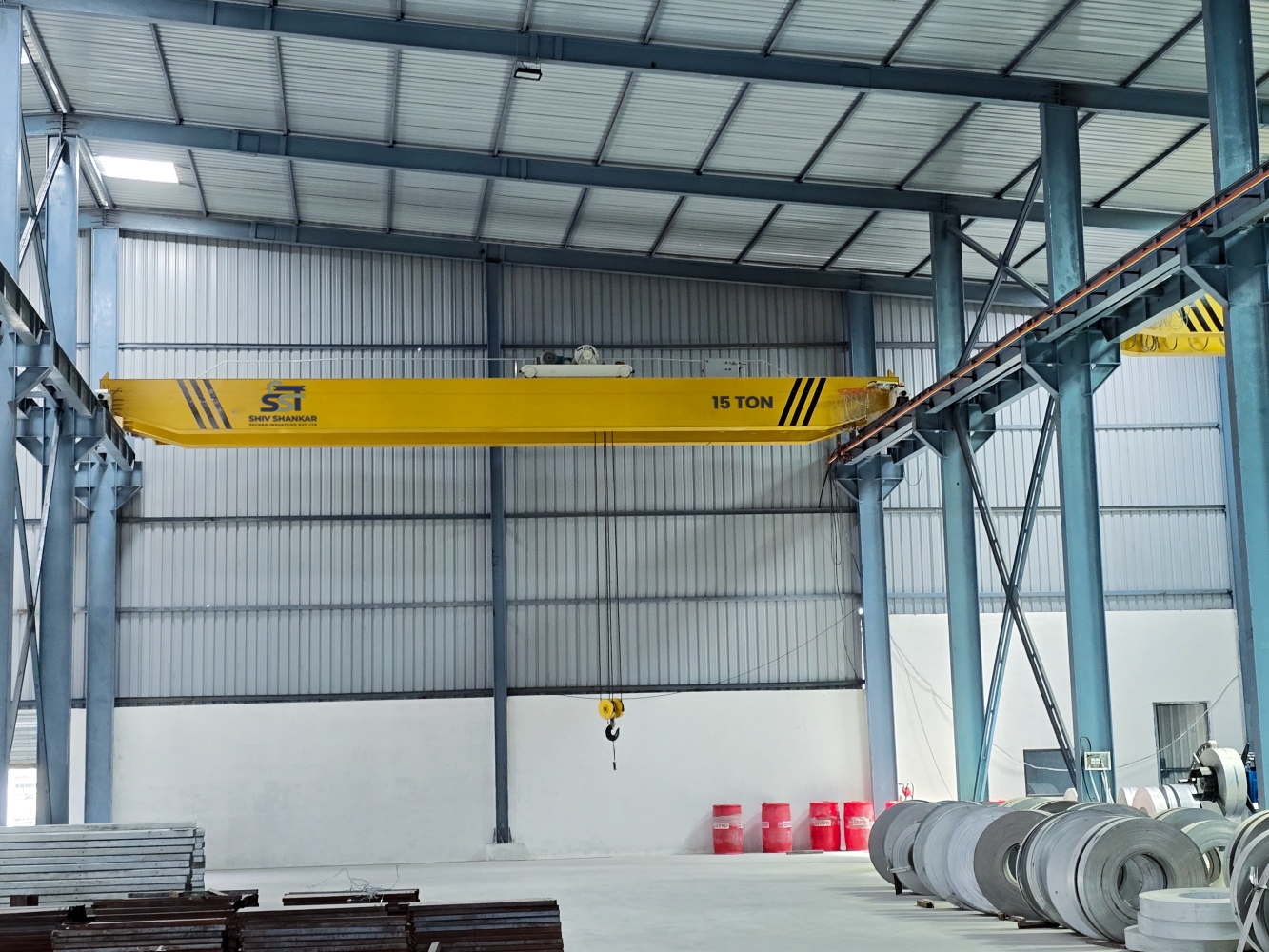
Runway beams designed for single or double girder EOT crane operation, ranging from 1 tonne up to 100+ tonnes capacity.
Sliding doors, personnel doors, louvers, gutters, downspouts, and roof curbs supplied as part of the complete structural package.
A prefabricated structures manufacturer typically follows five stages from initial brief to final handover.
Plot dimensions, required spans and heights, crane needs, and load data are collected and reviewed before design begins.
Structural engineering to IS 800, IS 875, and IS 1893, followed by 3D modelling and certified shop drawings ready for statutory submission.
Primary frames, secondary framing, and cladding components are cut, welded, and coated in the factory, with quality checks at each stage.
Components are loaded in the sequence required for site assembly and delivered to the project location.
The structure is bolted together on the prepared foundation, followed by final inspection and handover with completion documents.
Because span, height, and cladding specification can all be adjusted to the process involved, prefabricated structures are used across a wide range of industrial and commercial sectors.
The most immediate benefit is time. An RCC-framed factory shed can remain under construction for 12 to 18 months, while a comparable prefabricated structure is typically handed over in 6 to 14 weeks because most of the structural work is completed in the factory before erection even begins.
Cost is the second major benefit. Fabricated steel places material only where structural analysis says it is needed, rather than pouring concrete uniformly, which is why prefabricated structures typically cost 25 to 35 percent less than an RCC equivalent of the same footprint. A third benefit is flexibility: bolted steel frames can be extended by adding bays, without the demolition an RCC extension would require.
Other advantages include lower long-term maintenance, the option to relocate or repurpose the structure, and a wider choice of insulation systems compared with a cast structure retrofitted after the fact.
| Parameter | Prefab Steel | RCC |
|---|---|---|
| Build Time | 6–14 weeks | 12–18 months |
| Cost vs RCC | 25–35% lower | Higher |
| Column-Free Span | Up to 100+ m | Limited |
| Expansion | Add bays easily | Difficult |
| Maintenance | Low | Moderate–High |
| Relocatable | Yes | No |
| Insulation Options | Sandwich panels | Retrofit only |
| IS Code Design | IS 800 / 875 / 1893 | Varies |
Not every prefabricated structures manufacturer is equipped for every kind of project. These are the factors worth checking before you finalise one.
Confirm whether structural engineering and fabrication happen under one roof or are outsourced. In-house control generally means tighter tolerances and fewer delays caused by third-party fabricators.
Structural drawings should be certified to IS 800 (steel design), IS 875 (wind and dead loads), and IS 1893 (seismic zoning), with documentation formatted for RIICO, MIDC, or the relevant local authority.
Check the manufacturer's demonstrated range for clear span, eave height, and load capacity against your actual requirement, not just a generic capability claim.
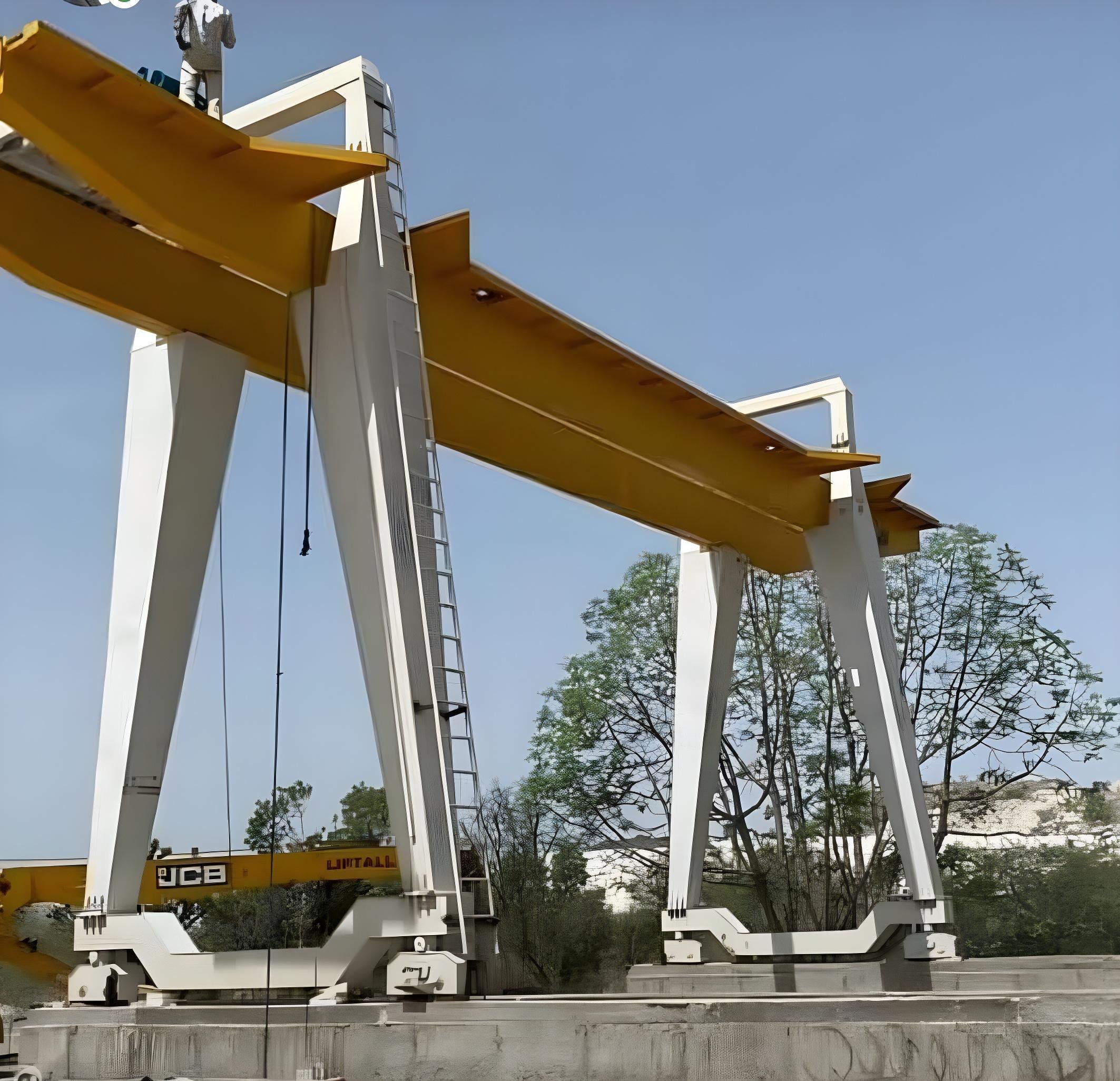
If the building needs an EOT or gantry crane, a manufacturer who designs the structure and crane system together avoids the retrofitting issues that come with adding a crane later.
A manufacturer with its own erection teams and prior project experience in your state or region is generally lower-risk than one relying on local subcontracted labour for assembly.
A reliable quotation breaks down span, cladding type, insulation, crane provision, and accessories. A single per-square-foot figure with no specification attached is difficult to compare or rely on.
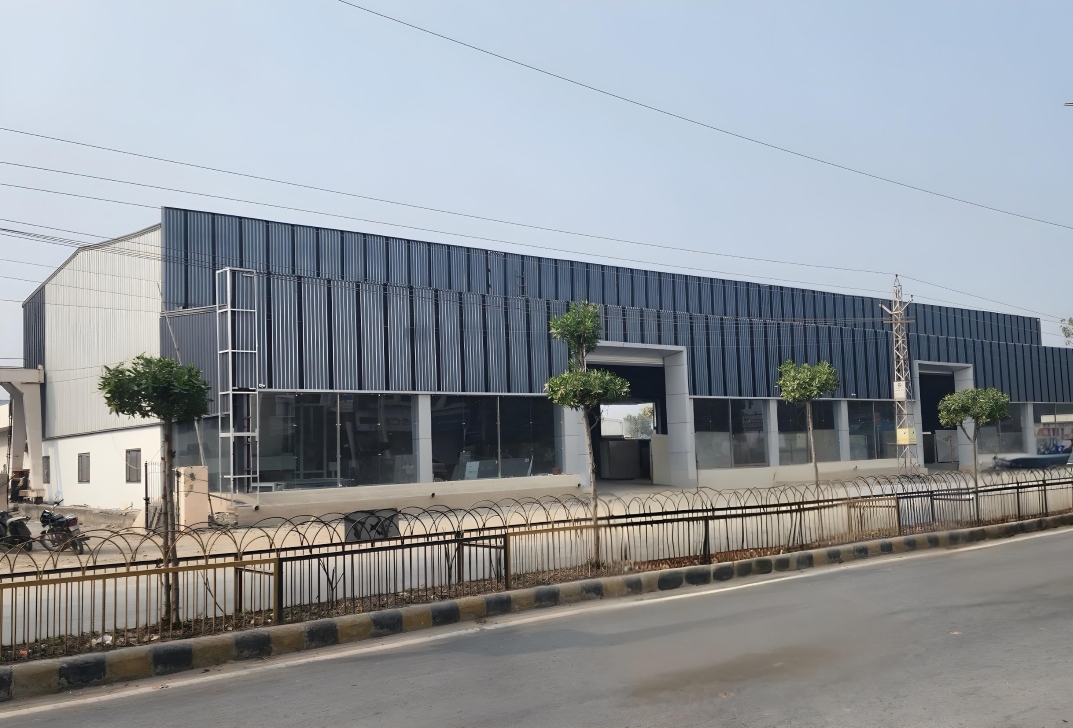
Shiv Shankar Techno Industries Pvt. Ltd. is a prefabricated structures manufacturer based in Chittorgarh, Rajasthan, handling structural design, fabrication, and site erection within a single organisation. Structural engineering, 3D modelling, cutting, welding, surface coating, and quality inspection are all carried out at our own plant rather than through subcontracted fabrication.
Because we also manufacture EOT and gantry cranes in-house, crane-compatible buildings are engineered as one system runway beams, column brackets, and reaction loads are part of the original structural model rather than added afterward. Every structure is designed to IS 800, IS 875, and IS 1893, with certified drawings formatted for RIICO, MIDC, and municipal approval processes.
Our manufacturing base in Chittorgarh sits within a day's drive of Rajasthan's major RIICO industrial belts, and our own erection teams have completed prefabricated structures manufacturers projects in 25+ states across India, including Gujarat, Maharashtra, Madhya Pradesh, Uttar Pradesh, Haryana, Karnataka, and Tamil Nadu.
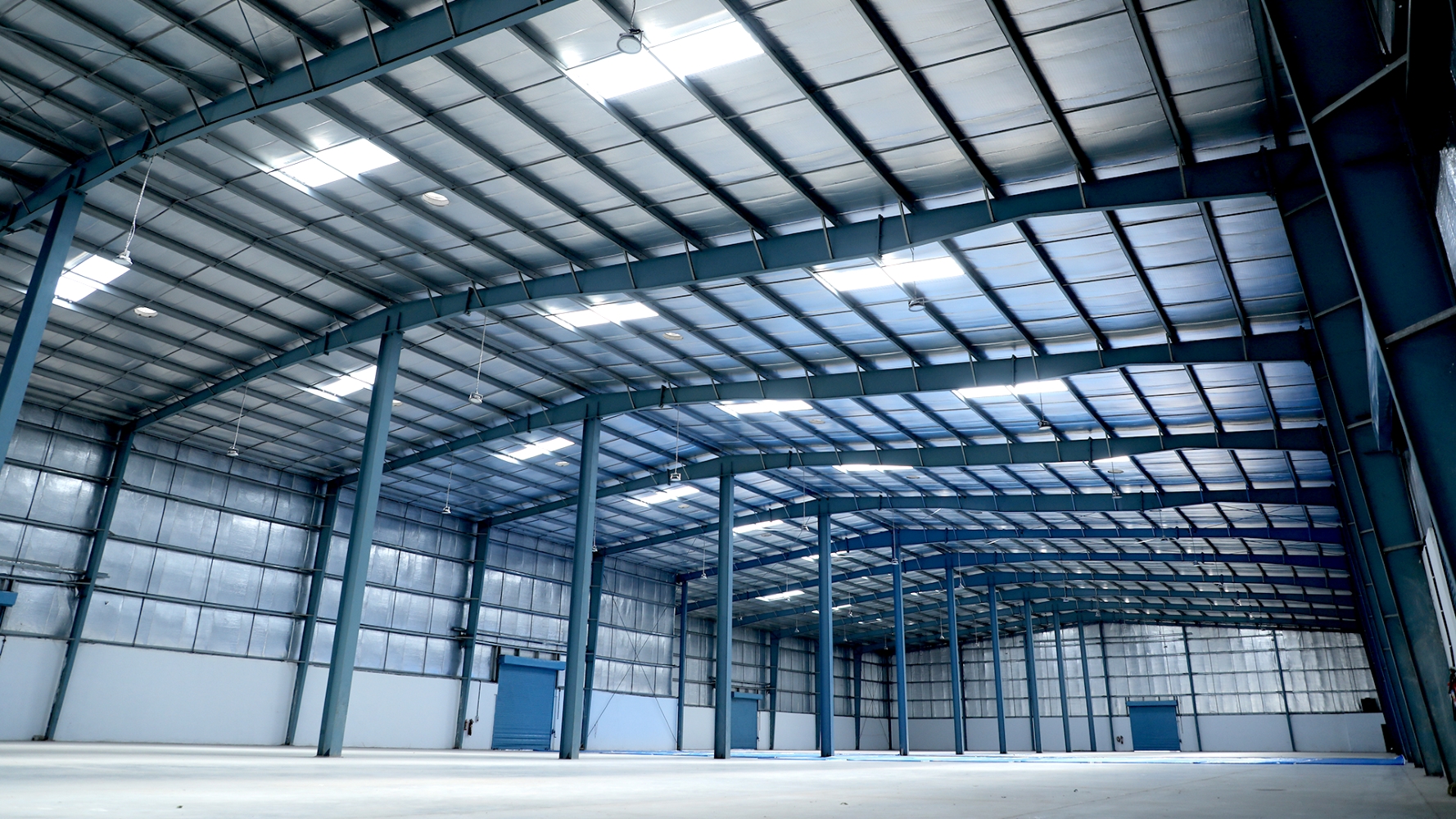
Share your plot size, required span, height, location, and intended use. Our engineering team will respond with a layout and a specification-based proposal.
REQUEST A QUOTEMore industrial solutions from Shiv Shankar Techno Industries PVT. LTD.
A prefabricated structure is a building whose main components steel columns, rafters, purlins, girts, and cladding are manufactured in a factory to precise engineering drawings, then transported to the project site and assembled using bolted connections. Only the foundation is built on-site; the superstructure arrives pre-made and goes up without wet concrete work or long curing periods.
Pre-engineered building is a specific design method within the broader prefabricated structures category. In a PEB, column and rafter sections are tapered and optimised by computer analysis to match the exact load path along the frame, using less steel than a uniform hot-rolled section would need for the same span. Most modern prefabricated industrial buildings in India, including those from Shiv Shankar Techno Industries Pvt. Ltd., are designed on the PEB method for this reason.
Yes. The steel superstructure is prefabricated, but the foundation is a cast-in-place RCC footing designed for your soil bearing capacity and the anchor bolt layout supplied by the manufacturer. Foundation work is typically completed by a local civil contractor while the steel is being fabricated, which is one reason total project timelines stay short.
Most standard industrial prefabricated structures, such as a factory shed or warehouse, are handed over 6 to 14 weeks from confirmed order, covering design finalisation, fabrication, transport, and erection. Larger or more complex buildings with mezzanines, crane systems, or multiple bays take longer. This compares with 12 to 18 months for an equivalent RCC-framed building.
Single-bay prefabricated structures are commonly built from 9 metres wide up to clear spans exceeding 100 metres using rigid portal frames, with multi-bay configurations covering any additional width. Eave heights typically range from 4 metres up to 20+ metres, with heavier column sections and additional bracing used for taller, high-bay applications.
Yes. Because the primary frames are bolted rather than cast or welded on-site, a prefabricated structure can usually be extended in length by adding bays at the endwall, or in width by adding spans, without demolishing the existing building. An assessment of the existing structure is required before finalising any extension design.
Yes, with the right specification. PUF or Rockwool insulated sandwich panels reduce heat transfer through the roof, ridge ventilators and turbine vents pull hot air out at the apex, and reflective sheet finishes cut down radiant heat. These measures are standard practice for prefabricated structures manufacturers building in Rajasthan and other high-temperature regions.
A credible manufacturer should supply structural design calculations, certified structural drawings signed by a qualified structural engineer, foundation and anchor bolt drawings, and a general arrangement drawing set prepared to IS 800, IS 875, and IS 1893. This documentation is what RIICO, MIDC, UPSIDC, and most municipal authorities require for building plan approval.
Yes. Crane-compatible prefabricated structures are designed with runway beams, column brackets, and reaction loads built into the structural model from the start. Manufacturers who also produce EOT cranes in-house, such as Shiv Shankar Techno Industries Pvt. Ltd., can co-engineer the building and crane system together rather than retrofitting crane support afterward.
Verify that design, fabrication, and erection are handled in-house rather than subcontracted, that structural drawings are certified to IS 800, IS 875, and IS 1893, that the manufacturer has erection experience in your state, and that the quotation itemises span, cladding, insulation, and crane provisions rather than quoting a vague per-square-foot rate.
 Chat with us