Prefabricated Structures: Types, Uses & Industrial Benefits
Watch a factory shed go up in three weeks flat and you'll start asking questions. Usually the answer is prefab. More businesses now turn to ...
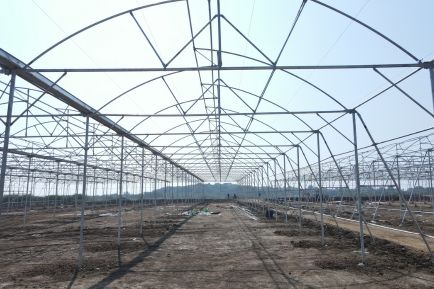
Watch a factory shed go up in three weeks flat and you'll start asking questions. Usually the answer is prefab. More businesses now turn to prefabricated structures manufacturers when they need a warehouse, workshop, or full industrial site built without the usual six-month wait. It's not a fad. It's changed how factories and warehouses get planned before a single brick or in this case, steel beam gets ordered.
Why Industries Are Turning to Prefabricated Structures Manufacturers
Traditional construction fights the weather, the labour market, and a dozen contractors who never quite agree on timelines. Prefab sidesteps a lot of that headache. Components get built in a factory, under controlled conditions, then shipped and assembled on site. Fewer delays. Tighter quality control. A schedule you can actually plan around instead of padding with excuses.
Common Types of Prefabricated Structures
Prefab isn't one thing dressed up in different names. A few types show up again and again on industrial sites.
Pre-Engineered Buildings, or PEBs, get designed around specific load and span requirements think warehouses and factories that need wide-open floor space with no interior columns getting in the way.
Modular structures go up as individual units, built separately, then joined together once they arrive. Office blocks and site cabins lean on this a lot.
Steel portal frame buildings remain a favourite for industrial sheds, mostly because the strength-to-weight ratio is hard to beat and assembly doesn't take forever.
Prefabricated mezzanine floors get bolted into existing warehouses when a business needs more space but can't justify tearing the whole thing down and starting over.
Which one makes sense depends on load, budget, and how fast the space needs to be running.
Industrial Applications That Make the Most of Prefab Construction
Warehousing and logistics are the obvious cases, but manufacturing units, cold storage, automobile plants, and even agricultural sheds lean on prefab just as heavily, mainly because they can scale up or down without a redesign eating weeks off the calendar. Government and infrastructure projects have caught on too site offices in particular, since they still need to survive daily industrial wear even if they're technically "temporary."
Key Benefits That Keep Businesses Coming Back
Speed gets mentioned first, and it should be a prefab project that can cut months off a build. But it's not just about finishing early. Material waste drops because components are cut with precision in a factory instead of guessed at on a dusty site. Structures come out lighter without losing strength, which keeps foundation costs down. And with most of the heavy labour happening off-site, fewer accidents happen during construction. None of that makes prefab a shortcut. It just means the corners that usually get cut don't need cutting in the first place.
What Makes Shiv Shankar Techno the Right Fit for Your Project
Price matters, sure, but it's not the whole story. What matters more is whether the manufacturer actually understands load calculations, site conditions, and how the structure will hold up ten years down the line. Shiv Shankar Techno has built its name on getting those fundamentals right rather than rushing to hit a deadline. The team stays involved from the design stage right through installation, so fewer surprises show up once steel starts going up. Materials get chosen for how long they'll last, not just what they cost today, and every project gets real engineering input instead of a template stretched to fit. For a business that needs the structure right the first time, that difference shows up fast, usually the moment something goes wrong on someone else's job and doesn't on yours.
Building Smart From the Ground Up
Prefab construction isn't a trend that's about to fade. It's becoming the default for industries that can't afford long delays or budgets that shift halfway through a build. Know the types available, match one to what you actually need, and work with a manufacturer who treats engineering as more than a checkbox. That's the difference between a structure that lasts and one that becomes next year's problem.